Premium Sportswear Fabric Sourcing
A print is only as good as the canvas it's printed on. We provide direct access to high-performance sportswear fabrics — moisture-wicking polyester, buttery nylon-spandex, sustainable recycled blends, and luxury athleisure textiles. Skip the middlemen, test before you commit with a free swatch kit, and build on a foundation of proven materials.
The Foundation of Performance Apparel
The difference between a $10 custom jersey and a $60 premium jersey isn't the printing quality — it's the fabric. A beautiful sublimated design on cheap, heavy, non-breathable fabric will still look and perform like a cheap garment. The fabric determines the weight, drape, stretch recovery, moisture management, and ultimate lifespan of your product.
Most brands source fabric through distributors who stock generic mill runs. You get what's available, not what's optimal. At Dhalay International, our manufacturing facility in Sialkot is embedded in one of the world's largest textile ecosystems. We have direct relationships with specialized knitting mills, dye houses, and finishing plants, allowing us to specify exact GSM weights, spandex percentages, knit structures, and finishing treatments tailored to your exact product requirements.
The fabric decisions that have the biggest impact on your final product:
- GSM (weight): A 130 GSM jersey feels lightweight and fast; a 280 GSM hoodie feels substantial and premium — same category, completely different perception
- Spandex percentage: 0% for loose-fit football jerseys, 12% for gym t-shirts, 25% for compression leggings — the same fabric name with different stretch ratios produces entirely different garments
- Knit structure: Interlock holds shape well for polos; mesh breathes for basketball jerseys; ribbed knits stretch and recover for cuffs and waistbands
- Finish treatments: Anti-pilling, moisture-wicking finishes, UV protection, and brushed surfaces can be applied to the same base fabric to completely change its performance profile
More importantly, we don't ask you to guess. We provide physical swatch kits so you can feel the fabric, wash it, stretch it, and test it with your own hands before we cut a single piece for bulk production. This eliminates the single biggest source of product failure in custom apparel manufacturing.
The Sialkot Textile Advantage
Sialkot, Pakistan, is globally renowned as the epicenter of sports goods manufacturing. What many brands don't realize is that Sialkot's infrastructure is built on an equally robust textile supply chain. The mills supplying Sialkot's factories produce fabrics specifically engineered for sports impact, UV exposure, sweat absorption, and industrial washing.
When you source fabric through Dhalay International, you get access to this specialized infrastructure without the complexity of dealing with mills directly. Whether you need ultra-lightweight 130 GSM taffeta for football jerseys, 240 GSM interlock for gym wear, or 280 GSM brushed fleece for athleisure hoodies, we source it directly from the mill that specializes in that exact textile type.
We also handle the compliance and testing that brands often overlook. Every fabric batch we bring into our facility is tested for shrinkage, colorfastness, pilling resistance, and stretch recovery. If a fabric fails our quality benchmarks, it doesn't enter the production line — period.
The advantages of sourcing through our Sialkot facility versus going direct to mills:
- Language and logistics handled: We communicate with mills in their language, manage shipping, and handle customs — so you deal with one English-speaking point of contact
- Quality enforcement: Mills ship to us, we test before accepting. If the fabric deviates from the approved swatch, we reject the batch and hold the mill accountable
- Lower effective MOQ: For sublimation projects, we cut from our stock inventory — no 300kg mill MOQ. Start with 30 garments, not 300 kilograms of fabric
- Production integration: Approved fabric moves directly from our QC station to our cutting queue — no storage delays, no handling damage, no middlemen
Fabrics We Source & Specialize In
Performance textiles matched precisely to your end-use application.
Moisture-Wicking Polyester
The backbone of sportswear. Lightweight (130–180 GSM), fast-drying, and highly durable. Engineered with hydrophilic finishes that pull sweat from skin to surface in under 3 seconds. The gold standard for sublimation printing.
Nylon-Spandex Blends
Premium hand-feel fabrics for yoga wear, compression gear, and luxury athletic apparel. Nylon delivers the buttery-soft touch; 20–25% spandex provides 4-way stretch and shape retention through hundreds of washes.
Recycled & Sustainable Fabrics
GRS-certified recycled polyester from post-consumer PET bottles. Identical performance and sublimation compatibility to virgin polyester. Eco-friendly dyeing processes available that reduce water usage by up to 50%.
Mesh & Ventilation Panels
Open-hole and micro-mesh knits for basketball jerseys, bag panels, and underarm ventilation zones. Lightweight, highly breathable, and fully sublimation-compatible for custom color blocking.
French Terry & Fleece
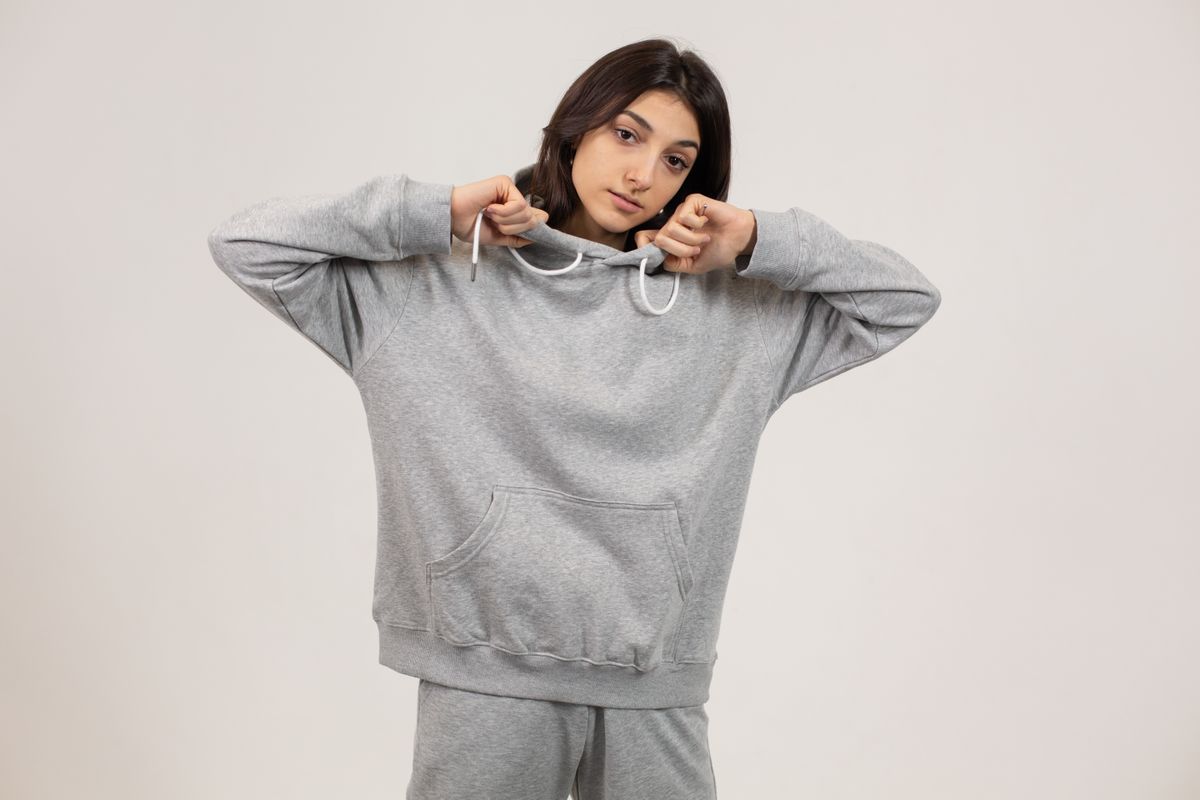
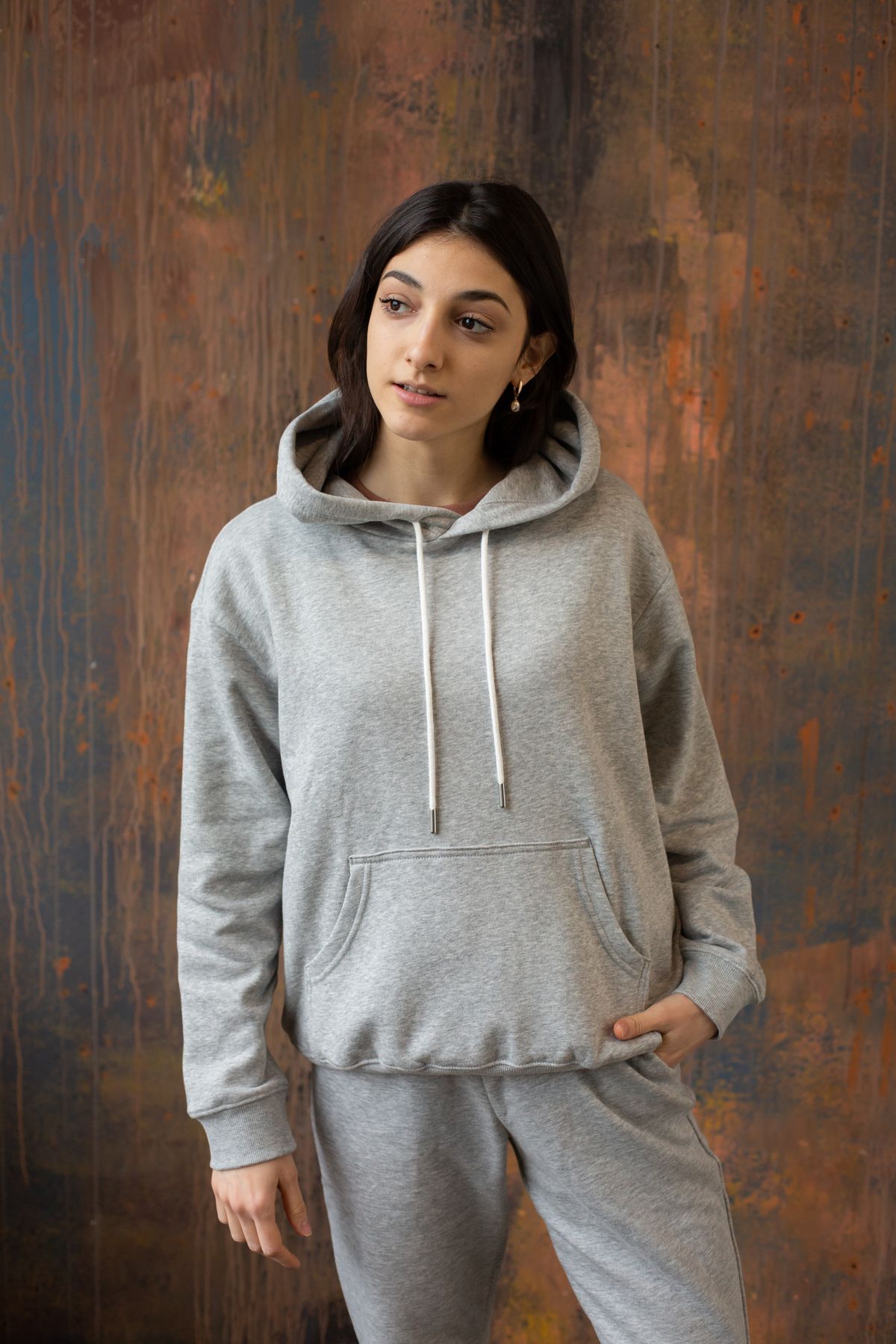
Heavyweight, structured fabrics for athleisure and streetwear. Available in loopback, brushed (peached), and slub textures. Perfect for hoodies, joggers, and fashion-forward tracksuits.
Crope & Textured Blends
Crope (textured polyester with a cotton-like hand-feel) for oversized tees and lifestyle apparel. Slub knits for visual texture. These fabrics give athleisure a premium, non-athletic appearance while maintaining durability.
Ribbed Knits & Elastics
Ribbed cuffs, waistbands, neckline bindings, and ankle cuffs. Available in 1×1, 2×2 rib structures with or without spandex for the perfect balance of stretch and recovery at garment openings.
Taffeta & Shells
Lightweight, weather-resistant outer shells for windbreakers, jackets, and bag panels. Available in plain, ripstop, and dobby weave structures with water-repellent finishes.
Rigorous QC & Testing
Every fabric batch tested for shrinkage (max 5%), 4-grade colorfastness (washing, rubbing, light, perspiration), anti-pilling (minimum 3–4 grade), and stretch recovery. Sub-standard rolls rejected before reaching your customer.
Sportswear Fabric Comparison Guide
Choosing the right fabric is the single most impactful decision for your product quality.
| Fabric Type | Weight Range | Hand Feel | Sublimation | Best Application | Price |
|---|---|---|---|---|---|
| 100% Polyester | 130–200 GSM | Excellent | Jerseys, training tops, shorts | $ | |
| Poly-Spandex 88/12 | 160–220 GSM | Excellent | Gym tees, stringers, leggings | $$ | |
| Nylon-Spandex 80/20 | 200–280 GSM | Poor | Yoga, compression, premium | $$$ | |
| French Terry | 280–350 GSM | Not suitable | Hoodies, joggers, tracksuits | $$ | |
| Crope | 180–220 GSM | Excellent | Oversized tees, lifestyle | $$ | |
| Mesh Polyester | 100–140 GSM | Good | Ventilation panels, jerseys | $ | |
| Recycled Polyester | 130–200 GSM | Excellent | Eco-friendly collections | $$$ | |
| Rib Knit (1×1 / 2×2) | 180–260 GSM | Not suitable | Cuffs, waistbands, necklines | $$ |
100% Polyester is recommended for most sublimation projects. Request a free swatch kit to compare fabrics side-by-side.
Our Quality Control Protocol
We don't trust fabric suppliers on faith — every batch that enters our facility is tested against strict benchmarks before it touches a cutting table. This is the quality control process that protects your brand from fabric-related product failures:
- Shrinkage test: Fabric sample washed and dried per ISO 6330 standards. Maximum allowable shrinkage: 5% in any direction. Fabrics exceeding this are rejected or pre-shrunk at the mill before acceptance
- Colorfastness (4-grade): Tested for washing (ISO 105-C06), rubbing/crocking (ISO 105-X12), light exposure (ISO 105-B02), and perspiration (ISO 105-E04). Minimum grade 3–4 on all four tests
- Pilling resistance: Martindale abrasion test (ISO 12945-2). Minimum 3-grade after 5,000 cycles for sportswear fabrics, 4-grade for premium athleisure. High-twist yarn specification and anti-pilling finish applied at mill level
- Stretch recovery: Fabric stretched to 100% extension, held for 30 seconds, released. Must recover to within 95% of original length after 5 minutes. Critical for yoga and compression applications
- Weight verification: GSM measured at 5 points across the fabric roll. Must be within ±5% of the specified GSM. Underweight fabric produces garments that feel thinner than the approved sample
What Happens When Fabric Fails QC
This is where our direct mill relationships create real value for your brand. When a fabric batch fails any of our tests, we don't quietly pass it through to meet a production deadline. We take specific corrective action:
For shrinkage failures: We return the fabric to the mill for pre-shrinking (compaction) treatment, which stabilizes the fabric dimensions before it's cut. This adds 3–5 days but prevents your customer's garment from shrinking after the first wash.
For colorfastness failures: We reject the batch and require the dye house to re-dye using higher-grade dyes or extended fixation processes. If the fabric was for sublimation, we verify the ink-to-fiber bond strength with additional wash testing.
For pilling failures: We work with the knitting mill to adjust yarn twist count, use higher-quality spinning, or apply post-knit anti-pilling enzyme treatment. This is especially important for cotton-blend fabrics which are inherently more prone to pilling than polyester.
For GSM deviation: If the fabric is underweight, we request a heavier knit batch. If it's overweight, we either accept it (heavier is rarely a complaint from customers) or request adjustment. We never cut underweight fabric without informing you first.
The bottom line: you never see the fabric problems because we catch them before production starts. Your customer only experiences the garment after every quality gate has been passed.
Our Fabric Sourcing Process
Test, verify, and lock in your materials before production starts.
Requirement Profiling
We analyze your product type, end-use climate, target price point, and printing method to recommend ideal fabric types, GSM weights, and stretch ratios.
Swatch Kit Dispatch
We ship a physical swatch kit containing our recommended fabrics. You feel the hand-feel, compare weights, test stretch, and verify color depth in person.
Bulk Mill Sourcing
Once you select your fabric, we coordinate directly with the mill. For stock sublimation fabrics, we pull from in-house inventory with zero MOQ.
Incoming QC Testing
When fabric arrives, we run full shrinkage, pilling, colorfastness, GSM, and stretch recovery tests. Deviations are rejected immediately.
Production Integration
Tested, approved fabric moves directly from QC to our pattern making and cutting queues. No middlemen, no delays.
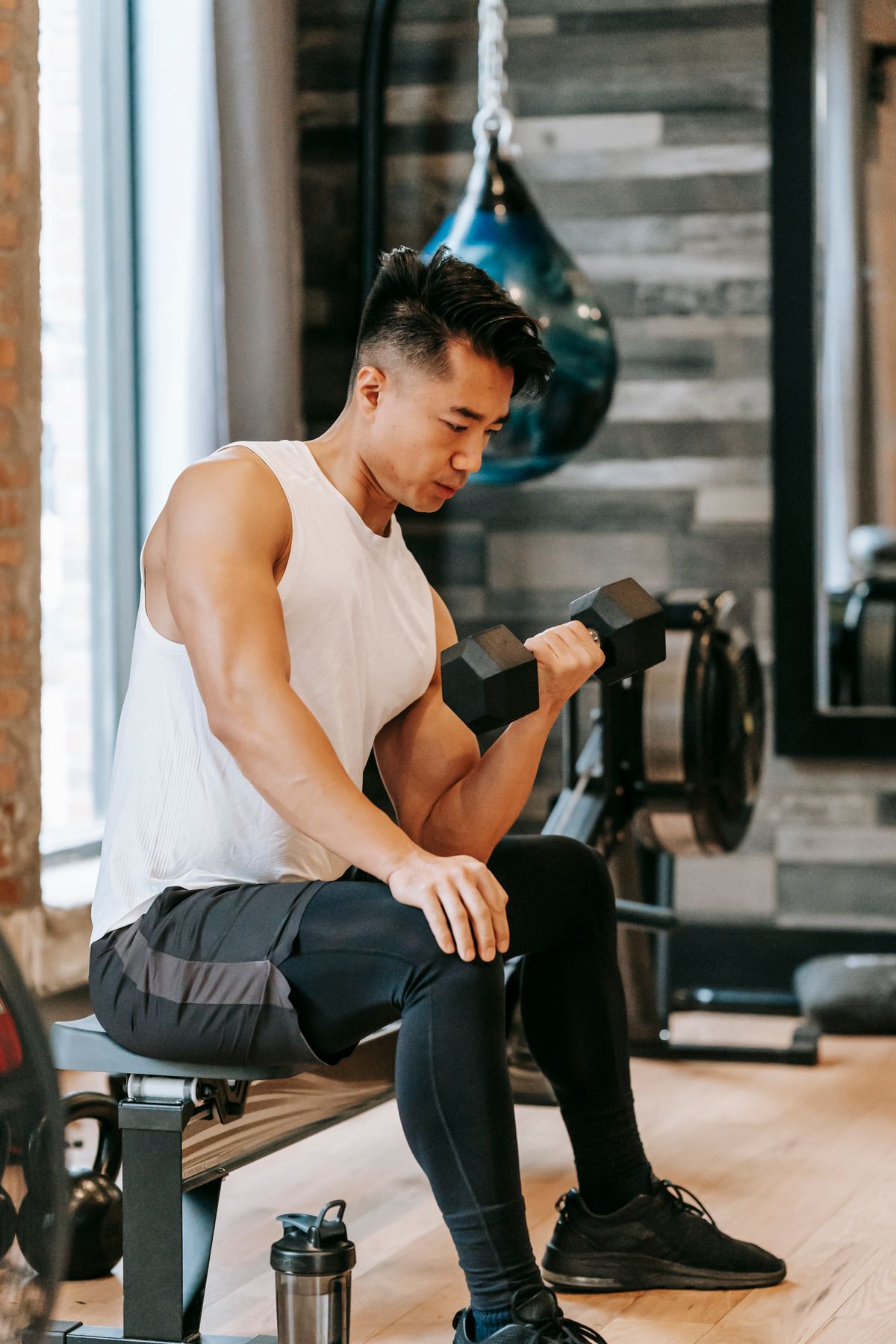
Fabrics by Application
Performance textiles engineered for specific sportswear categories.


Why Brands Source Fabrics Through Us
The numbers behind our fabric sourcing advantage.
MOQ on Stock Fabrics
Cut from our inventory for sublimation projects. Start with 30 garments, not 300kg of fabric.
Physical Swatch Kit
Feel, wash, and stretch-test fabrics before committing. Shipped worldwide at no charge.
QC Protocol
Shrinkage, colorfastness, pilling, GSM, and stretch recovery tested on every batch.
Mill Relationships
No distributors or middlemen. We specify exactly what we need — from yarn to finish.
What Our Clients Say About Our Fabrics
Real feedback from brands that felt the difference.
"The swatch kit sold me immediately. I'd been buying from a Chinese distributor and the fabric felt… generic. Dhalay's 88/12 poly-spandex had a completely different hand-feel — smoother, more substantial. My customers noticed the upgrade within the first week of the new drop."
"We switched to Dhalay's recycled polyester for our eco line. I was skeptical it would perform as well as virgin poly, but honestly — I can't tell the difference. The sublimation colors are just as vibrant, the wicking is the same, and our customers love the sustainability angle."
"Previous supplier sent fabric that shrank 8% after first wash. Customer complaints flooded in. Dhalay's QC caught a similar issue before production even started — they sent the fabric back for pre-shrinking and didn't proceed until it passed. That level of testing is worth every penny."
Frequently Asked Questions
Everything you need to know about sportswear fabric selection and sourcing logistics.


Feel the Difference Before You Commit
Don't guess on fabric quality. Request our physical swatch kit and test the exact materials we'll use to manufacture your apparel.
Ready to Source Premium Fabrics?
Tell us about your product and we'll recommend the perfect fabric — then send you a free swatch kit to prove it.