1. Polyester: The Gold Standard


Polyester is the undisputed king of gym fabrics. As a synthetic fiber, it is hydrophobic (water-fearing), meaning it does not absorb moisture. Instead, it wicks sweat away from the skin to the fabric's surface where it can evaporate.
| Feature | Benefit | Best For |
|---|---|---|
| Moisture Wicking | Keeps skin dry during cardio | High-intensity interval training |
| Durability | Resists shrinking, stretching, and wrinkles | Daily gym use |
| Lightweight | Minimal bulk, maximum range of motion | Running tanks, tees |
| Quick Dry | Evaporates sweat rapidly | Hot yoga, spin classes |
2. Spandex (Elastane): The Essential Stretch

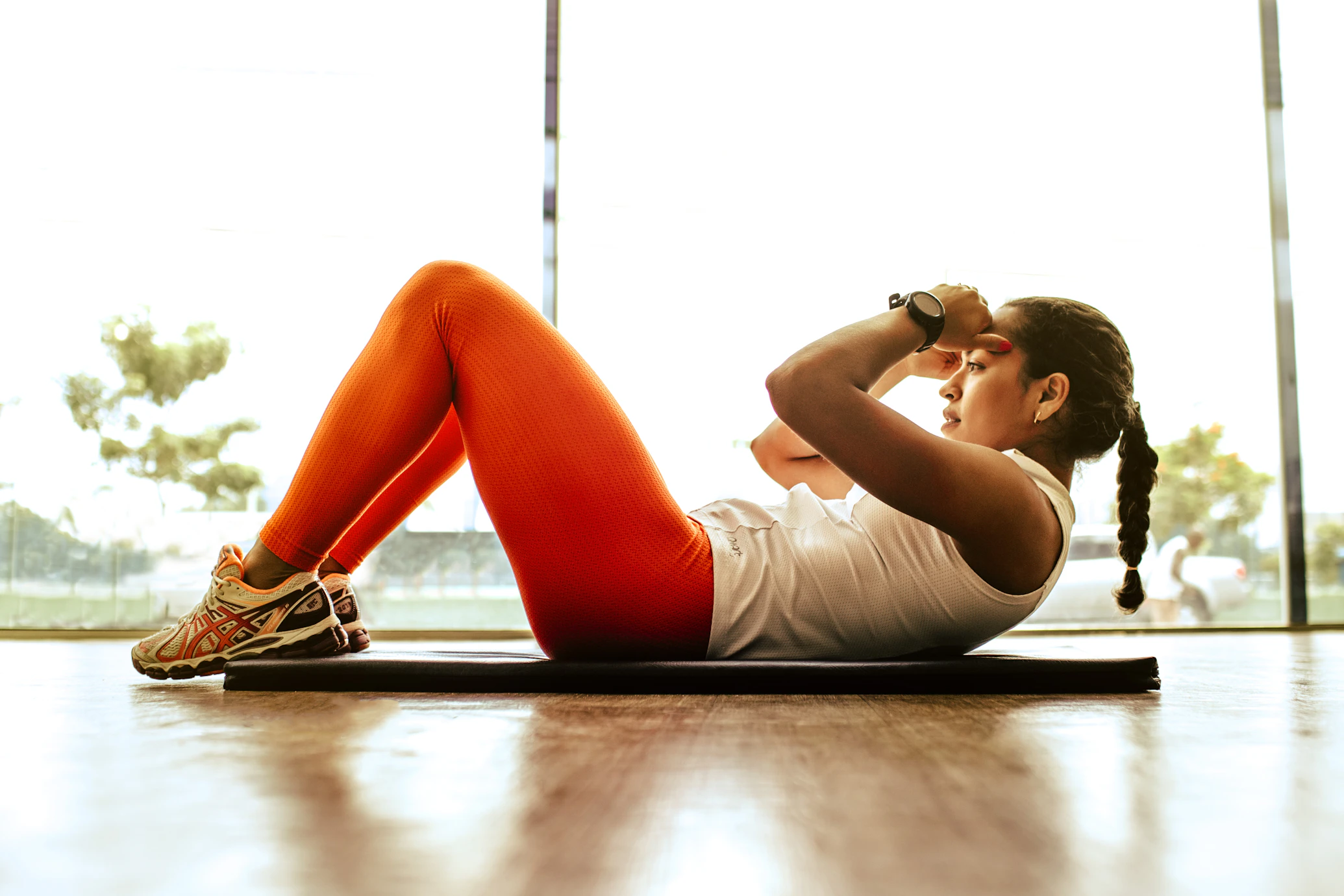
Spandex (or Elastane in Europe) is rarely used alone. It is a blending fiber added to polyester or nylon (typically 5%-20%) to provide elasticity. Without spandex, gym wear would be restrictive and baggy after a few squats.
- 4-Way Stretch: Allows the fabric to stretch both crosswise and lengthwise, accommodating deep squats and overhead presses.
- Shape Retention: Provides "recovery power," ensuring the garment snaps back to its original shape after stretching.
- Compression: High percentages of spandex create compression garments that improve blood circulation and muscle stability.
3. Nylon: Strength and Smoothness


Nylon was the first synthetic fiber to replace silk. In gym wear, it is prized for its exceptional strength and abrasion resistance. It is softer and smoother than polyester but slightly less breathable.
- Durability: Nylon is stronger than polyester, making it ideal for garments that undergo friction (like running shorts or knee-length leggings).
- Smooth Feel: It has a natural silk-like hand-feel, reducing chafing against the skin.
Drawback: Absorbs more water than polyester, so it can feel heavier during very heavy sweating unless blended with moisture-wicking fibers.
4. Bamboo & Modal: The Soft Touch


For yoga, Pilates, and low-impact training, natural semi-synthetics like Bamboo Viscose and Modal are gaining popularity for their comfort.
- Hypoallergenic: Bamboo is naturally anti-bacterial and anti-fungal, making it great for odor control.
- Thermoregulating: These fabrics keep you cool in summer and warm in winter.
- Ultra-Soft: They feel like a second skin, ideal for lengthy stretch sessions where comfort is paramount.
5. Fabric Comparison for Gym Use
| Fabric | Breathability | Durability | Stretch | Best Gym Activity |
|---|---|---|---|---|
| 100% Polyester | High | High | Low | Running, Cardio, T-Shirts |
| Poly/Spandex Blend | Medium-High | High | Very High | Weightlifting, Crossfit |
| Nylon/Spandex Blend | Medium | Very High | High | Leggings, Compression Gear |
| Bamboo/Cotton Blend | High | Medium | Medium | Yoga, Pilates, Warm-up |
6. Understanding GSM: Weight Matters
Choosing the right fabric is only half the battle; choosing the right weight (GSM - Grams per Square Meter) completes the picture.

- Lightweight (120 - 150 GSM): See-through, extremely breathable. Best for hot yoga, summer running, or loose-fit tanks.
- <Midweight (160 - 190 GSM): The industry standard. Opaque, durable, and balances breathability with coverage. Ideal for t-shirts and shorts.
- Heavyweight (200+ GSM): Structured, squat-proof, and warmer. Best for hoodies, sweatpants, and winter training gear.
Fabric Selection Checklist
- ✔ Primary activity intensity (High cardio vs. Yoga)
- ✔ Moisture-wicking capability verified
- ✔ Spandex content (min 8% for stretch)
- ➕ GSM weight selected (Light vs Heavy)
- ➕ Opacity checked (for leggings/shorts)
- ➕ Anti-microbial treatment (for odor control)
- ✔ Pilling resistance quality
- ✔ Color fastness rating
- ✔ Care instructions (machine washable)
- ➕ Sustainability preferences (Recycled vs. Virgin)
Engineered for Performance
Don't settle for cotton. Equip your gym or brand with professional-grade fabrics sourced and manufactured by Dhalay International.
Start Your Gym Wear Line